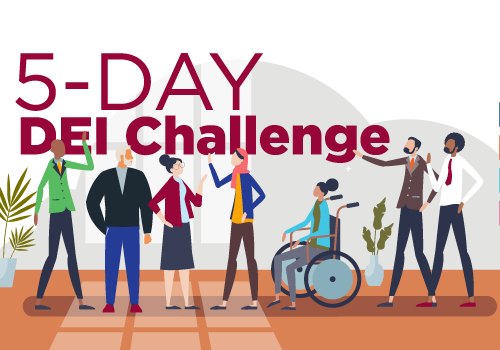
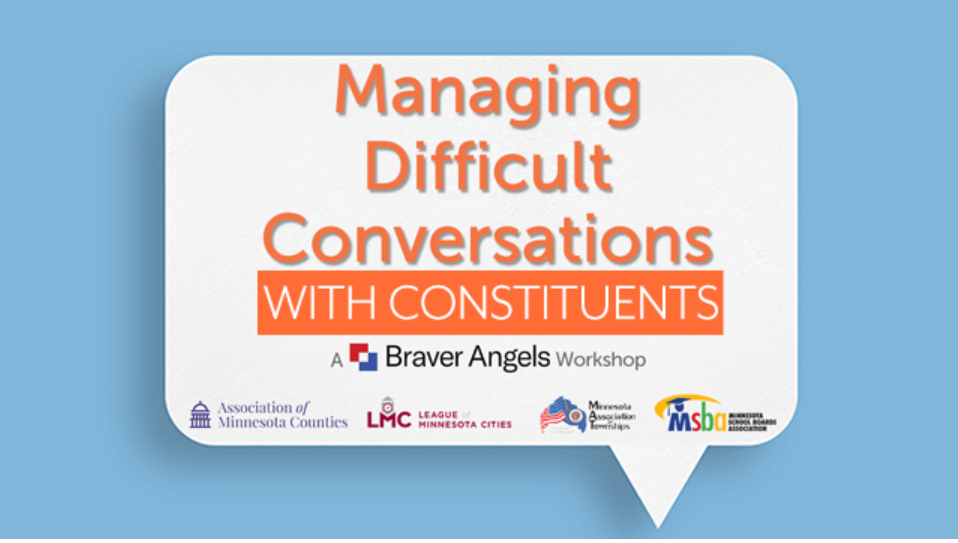
Promoting excellence in local government. What can we help you find? Search 2024 LMC AwardsNow accepting submissions to honor the achievements of cities and city leaders! Submissions due April 26. Small City CenterResources and information specifically targeted at cities with populations under 2,500. PTSD and Mental Health ToolkitThis toolkit was created to help our members address issues of public safety mental health and post-traumatic stress disorder (PTSD). News Senate Committee Hears Multifamily Residential Development in Commercial Areas Bill House and Senate Committees Consider Local Sales Tax General Law Changes and Restrictions House Omnibus Tax Bill Approved by Committee, Heads to Ways and Means Welcome to the Work Zone: Minnesota’s largest city conference!Join hundreds of city officials from across the state as we work together to build a solid foundation for thriving cities.Registration now open! Register by May 3 and save!Upcoming Events Safety and Loss Control Workshops LMC 5-Day DEI Challenge Managing Difficult Conversations with ConstituentsPublications Minnesota Cities Magazine March-April 2024 Cities Bulletin Newsletter Stay up to date on legislative news, as well as other important information with this free e-newsletter. Minnesota Mayors Handbook This handy reference provides the foundational information you need to be a successful mayor. Handbook for Minnesota Cities This is your comprehensive resource for laws affecting Minnesota city governments. HR Reference Manual Get extensive information and guidance for human resources issues in the public sector.